It is important to be aware of the ingredients in our food and their potential impact on our health. By understanding the unhealthy components in Maggi noodles, we can make informed decisions about what we consume.
For many people, particularly students, recent graduates, and professionals in the workforce, Maggi noodles have been a staple diet. However, the well-known instant noodle manufacturer has drawn attention to and criticism for its unwholesome components. In this blog, we’ll go through every unhealthy component of Maggi noodles and explain why they’re harmful for our health.
- Monosodium Glutamate (MSG): Monosodium glutamate, commonly known as MSG, is a flavor enhancer that is added to Maggi noodles to enhance their taste and aroma. However, MSG has been linked to various health problems, including headaches, nausea, and allergic reactions, although the scientific evidence on this is mixed. Some studies have also suggested that MSG may be harmful to the nervous system and cause obesity and metabolic disorders.
- Sodium: Maggi noodles contain a high amount of sodium, which is used to enhance its taste and act as a preservative. However, excess sodium intake can contribute to hypertension or high blood pressure if consumed in excess. High blood pressure is a leading cause of heart disease, stroke, and other health problems.
- Palm oil: Maggi noodles contain palm oil, which is used to provide the noodles with their characteristic texture and flavor. However, palm oil is high in saturated fats, which can increase the levels of bad cholesterol in our blood and increase the risk of heart disease.
- Wheat Flour: Maggi noodles are made from wheat flour, which is processed and stripped of its nutrients. Refined wheat flour has a high glycemic index, which can cause a spike in blood sugar levels and increase the risk of type 2 diabetes.
- Sugar: Maggi noodles contain sugar, which is added to enhance their taste. However, excess sugar intake can cause a host of health problems, including obesity, tooth decay, and diabetes.
- Yeast Extract: Yeast extract is another ingredient that is added to Maggi noodles to enhance their flavor. However, yeast extract contains a high amount of glutamate, which can cause an allergic reaction in some people.
- Potassium Chloride: Potassium chloride is added to Maggi noodles as a salt substitute. However, high levels of potassium chloride can cause gastrointestinal problems and be harmful to people with kidney problems.
It’s safe to say that excessive consumption of Maggi noodles is bad for our health due to their high concentrations of various unhealthy ingredients. Maggi noodles are a quick and easy meal option, but they should be eaten sparingly and balanced with other healthy foods like fresh produce, whole grains, lean proteins, and healthy fats.
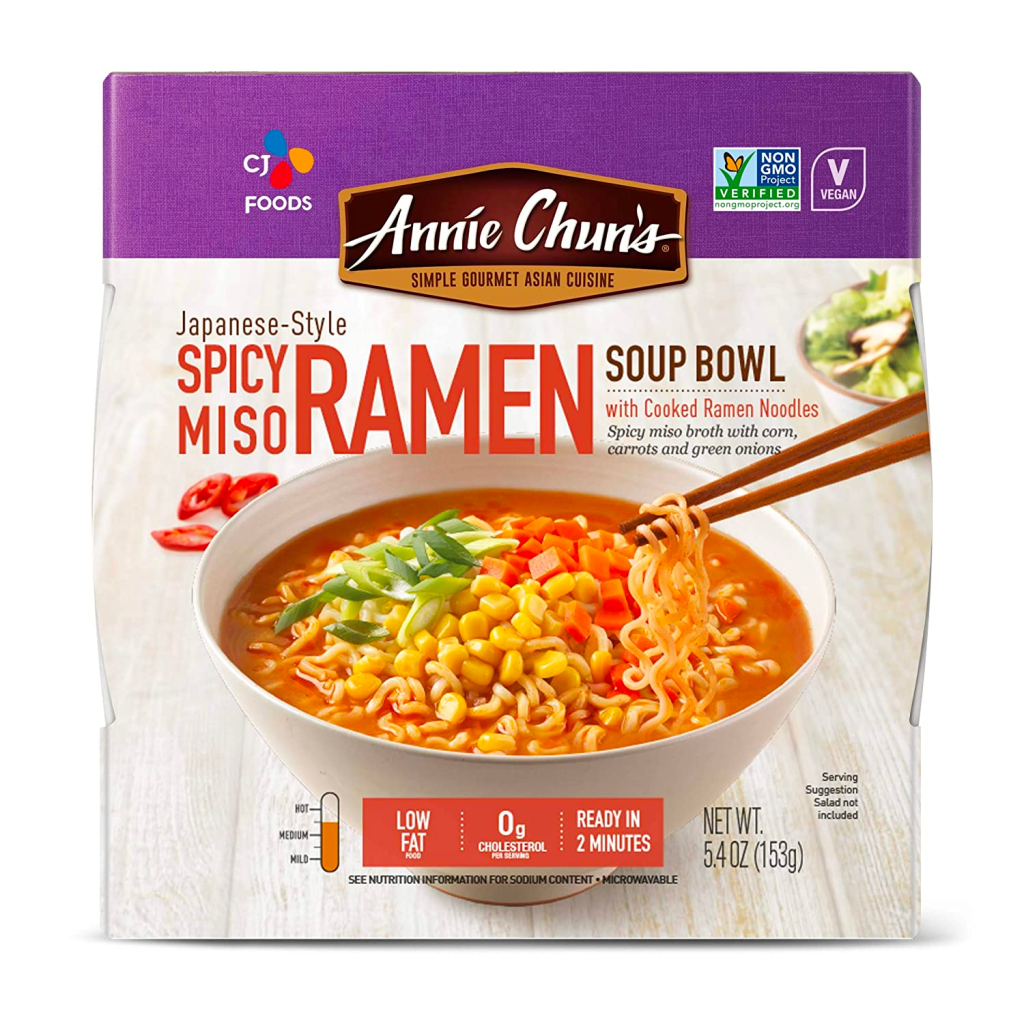
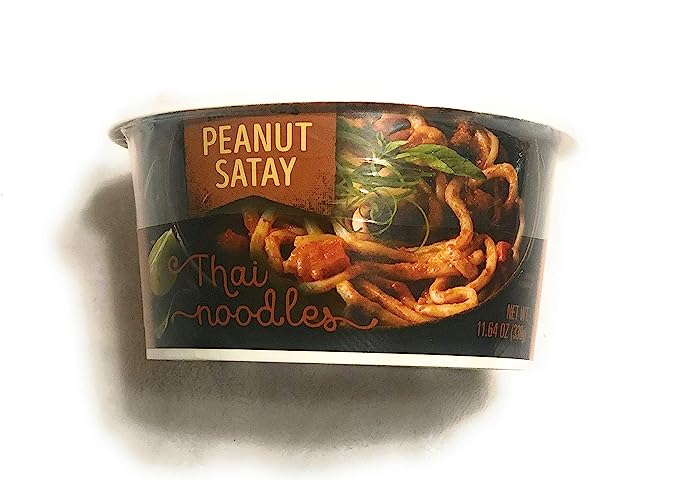
Here are the alternatives:

 safe product check
Leave a comment